 BODYWORK
 UNDERCARRIAGE
 TRANSMISSION / AXLES / WHEELS
 STEERING / CONTROL
 HYDRAULICS
 BRAKES
 ENGINE
 ARMS / SWING / STABILIZERS
 ELECTRICS
 OILS / FLUIDS / LUBRICANTS / PAINTS
 FILTERS
 GLASS / CAB GLAZING
 TEETH / ADAPTORS / PIN LOCKS
 ATTACHMENTS
 ACCESSORIES / TOOLS




 ALL CATEGORIES
2CX (with SD55 axle), 3CX, 4CX, MIDI CX
Telescopic Handlers, Wheeled Loaders, Forklifts, Wheeled Excavators, Vibromax Rollers, FASTRAC
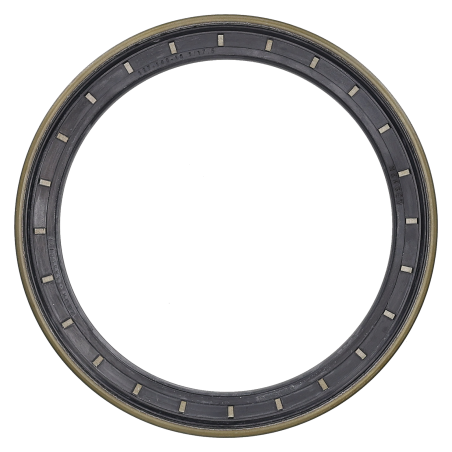
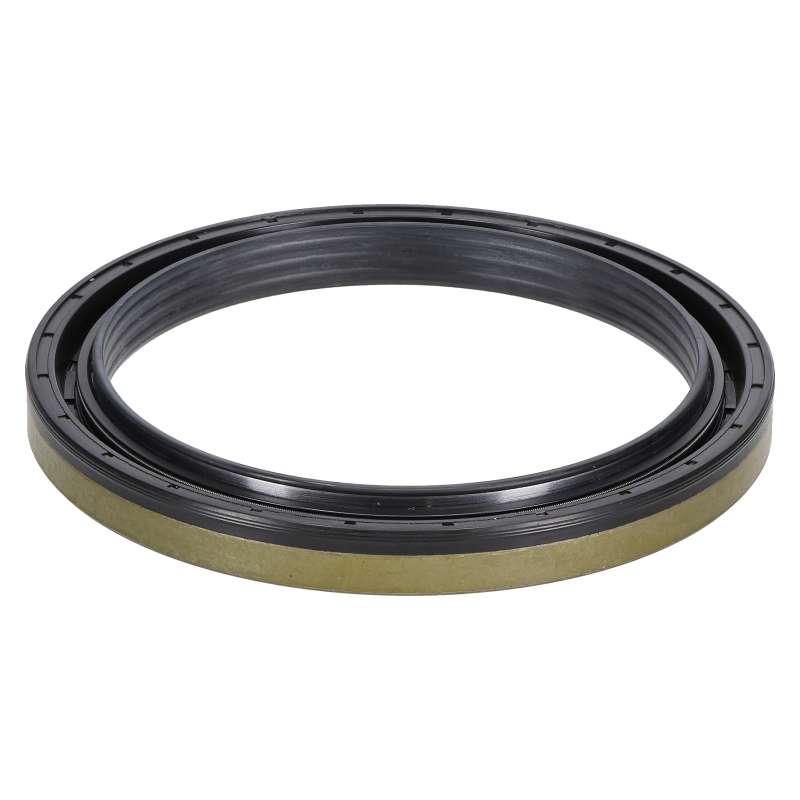
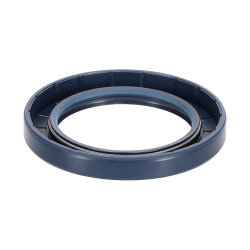
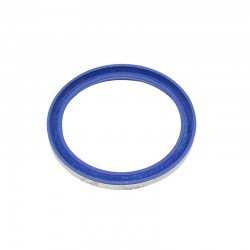
The hub seal is a critical protective barrier in the drive axle. It has a dual function: it keeps oil inside the hub to lubricate the bearings, and it protects the interior from dirt, sand, and water. If you notice greasy spots on the inside of the rim, dark streaks on the steering knuckle, or if the brakes start to weaken and pull to one side, these are classic symptoms of a worn seal. Its failure leads to the destruction of bearings and contamination of the brakes, which generates very high repair costs.
💧
Dual Protection
Keeps oil in, blocks contaminants
🎯
Precise Dimensions
Guaranteed leak-proof seal
🛡️
High Chemical Resistance
Durability in contact with oil
Prevents contamination of brake discs with oil and protects hub bearings from dirt and moisture, preventing their seizure.
Keeping the brakes "dry" is crucial to maintaining full braking power and operational safety.
Timely replacement of a seal is a minor cost compared to the price of replacing bearings, brake discs, or the entire axle.
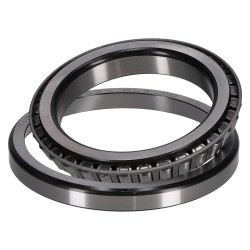
An oil leak often indicates play in the bearings. For the most durable result, the hub seal should always be replaced as a set with new bearings.
Before installation, thoroughly clean the seat in the hub. Drive the new seal in evenly using a suitable press or driver to avoid damaging it.
Answer: It is not recommended. A leaking seal often means the bearings have already been exposed to dirt or are worn. Replacing everything at once is the most reliable repair.
Question: My brake is weak, is it the seal's fault?Answer: It's a very common cause. Leaking axle oil contaminates the brake discs, drastically reducing their effectiveness.

If you are unsure whether the selected product is suitable for your machine, contact us and we will help you choose the right part and provide practical advice in minutes.

Data sheet
Specific References
Manufacturer
Responsible person
See also similar products
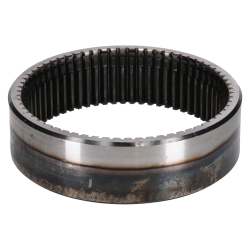
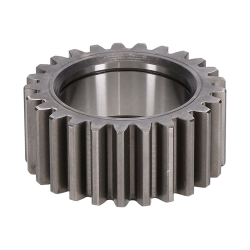
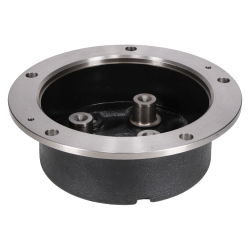
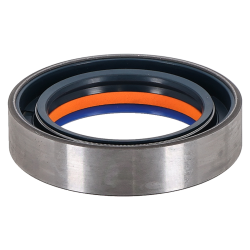
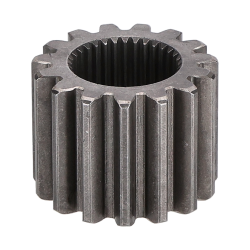
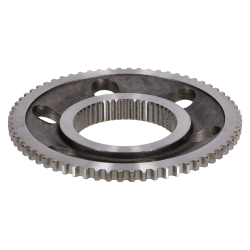

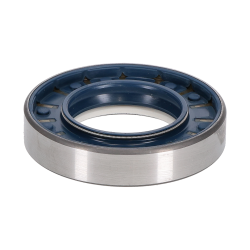
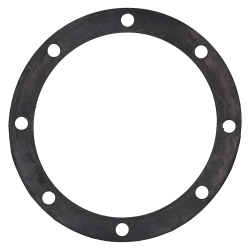
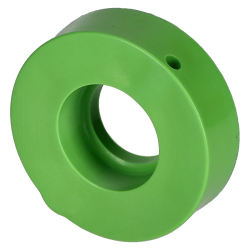


JCB 2CX with SD55 bridge, 3CX, 4CX, Telehandlers, Front loader, Forklift, Vibromax, MIDI CX, FASTRAC, Wheeled excavator