 BODYWORK
 UNDERCARRIAGE
 TRANSMISSION / AXLES / WHEELS
 STEERING / CONTROL
 HYDRAULICS
 BRAKES
 ENGINE
 ARMS / SWING / STABILIZERS
 ELECTRICS
 OILS / FLUIDS / LUBRICANTS / PAINTS
 FILTERS
 GLASS / CAB GLAZING
 TEETH / ADAPTORS / PIN LOCKS
 ATTACHMENTS
 ACCESSORIES / TOOLS





 ALL CATEGORIES
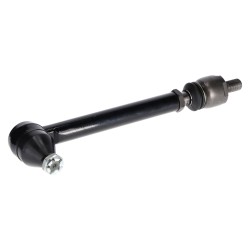
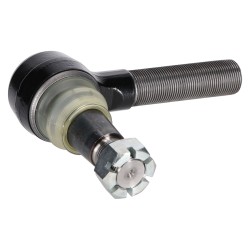
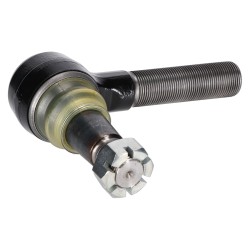
A critical steering system component – this is a precision-made left-hand (LH) tie rod by TORS. It is designed for the steering axle on CATERPILLAR backhoe loaders, including models 416B, 428B, 438B. This tie rod is essential for providing dependable support and alignment in left-hand axle assemblies, ensuring proper connection and control in the steering linkage.
TORS brand steering components are recognized as the most durable in their category. Product quality control, starting from raw material verification, is carried out at all stages of production up to the final product. To maintain the highest quality, state-of-the-art inspection equipment and highly qualified staff are used. Only the highest quality metal alloys are used in production, allowing the tie rods to be operated much longer than others available on the market.
| Brand | Type / Series / Model |
|---|---|
| CATERPILLAR | 416, 416B, 426, 426B, 428, 428B, 436, 436B, 438, 438B |
The list above is for reference. We recommend verifying the part number on your old tie rod before purchasing.
The steering system is a critical safety component. A damaged or improperly installed tie rod can lead to a complete loss of machine control. After any service on the steering linkage, you must check and adjust the wheel alignment (toe-in/toe-out).
The tie rod is a rigid link that connects the steering cylinder (or steering box) to the wheel knuckle. It transfers the force from the cylinder, causing the wheel to turn. It is a key component for steering precision and safety.
📞 Can't find the part you're looking for?
No problem. Our website shows only a few thousand of the over 60,000 parts we have in stock. Contact us – we probably have what you need on the shelf!
"LH" stands for "Left-Hand". This tie rod is designed for installation on the left side of the machine (as viewed from the operator's seat, looking forward).
2. Does this rod include the ball joints (tie rod ends)?The "ROD-TIE" is the central, rigid component. The ball joints (tie rod ends) are typically replaceable components that thread into this rod. They should be inspected and ordered separately if needed.
3. Can I replace just one side?Yes, if the damage (e.g., a bend) is isolated to one side. However, it is always recommended to inspect the condition of the rod and joints on the other side, as wear is often symmetrical.

Have doubts or need confirmation to avoid costly downtime? Call us. Our experts will help you choose the right part to get your equipment back to work as soon as possible.
Data sheet
Specific References
Manufacturer
Responsible person
See also similar products
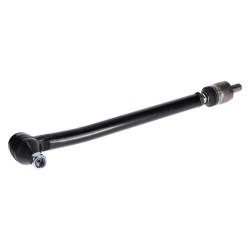
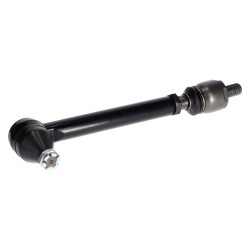
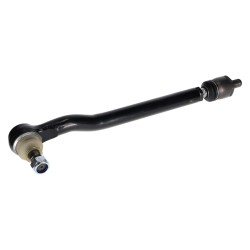
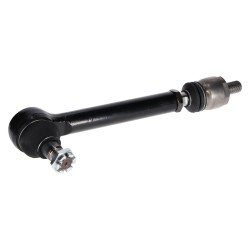


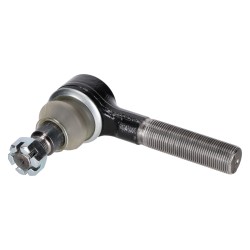
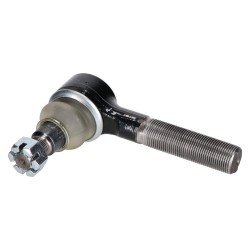
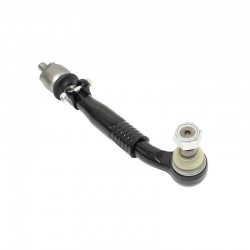
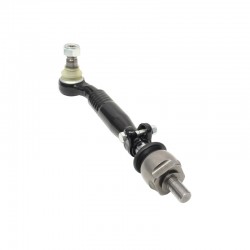


Link trackrod suitable for CAT 428B backhoe loaders