 BODYWORK
 UNDERCARRIAGE
 TRANSMISSION / AXLES / WHEELS
 STEERING / CONTROL
 HYDRAULICS
 BRAKES
 ENGINE
 ARMS / SWING / STABILIZERS
 ELECTRICS
 OILS / FLUIDS / LUBRICANTS / PAINTS
 FILTERS
 GLASS / CAB GLAZING
 TEETH / ADAPTORS / PIN LOCKS
 ATTACHMENTS
 ACCESSORIES / TOOLS





 ALL CATEGORIES
3CX, 4CX
Telescopic Handlers, Forklifts
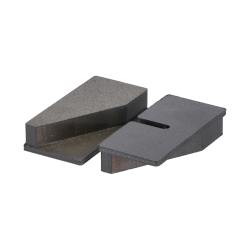
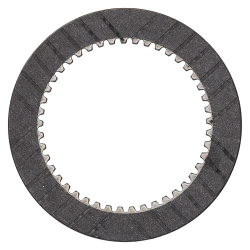
The friction plate is a key component of the clutch pack in a gearbox. It is responsible for transmitting torque when clamped by a hydraulic piston. If your machine is "slipping" in gear, loses drive when hot, jerks when changing direction, or the transmission is overheating, these are classic symptoms of worn or burnt friction plates. Continued operation leads to oil contamination with debris and the destruction of the entire gearbox.
🔥
High Thermal Resistance
Protection against burning out
⚙️
Stable Friction Coefficient
Smooth gear shifting
🎯
Precise Manufacturing
Long and trouble-free operation
The accuracy and quality of materials guarantee long and trouble-free use without the need for frequent replacement.
The plate is fully adapted to work with original counter plates and clutch drums, ensuring a consistent repair.
The GX-AFTER brand is a proven and safe alternative that offers quality comparable to original parts at a much better price.
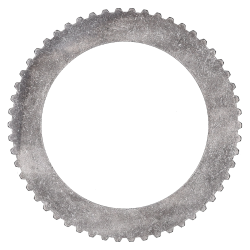
Friction plates should always be replaced as a complete set with new steel counter plates and a new pressure plate. Installing new friction plates with old, overheated steel plates will lead to immediate failure.
With every clutch pack replacement, a new set of seals for the clutch piston must be installed. This will ensure proper pressure and clamping force.
Before installation, soak the new friction discs in clean transmission oil (e.g., HYPTRON) for at least 30 minutes. This will prevent them from burning out on the first engagement.
After the repair, fill the gearbox with fresh, dedicated oil and install a new oil filter (e.g., from REDX). Debris from the old discs contaminates the entire system.
Answer: Yes, this is the main symptom. Clutch "slippage," meaning a lack of full power transmission, most often indicates that the entire clutch pack is worn or burnt.
Question: Can I replace just the one burnt plate?Answer: It is highly not recommended. The plates and discs in one pack wear out as a set. Replacing only one component will not restore full performance and risks rapid failure.
Question: What is the main cause of clutch pack failure?Answer: The most common causes are contaminated or old oil (due to a clogged filter), low oil level, or leaks on the clutch piston, which cause insufficient clamping pressure.

If you are unsure whether the selected product is suitable for your machine, contact us and we will help you choose the right part and provide practical advice in minutes.

Data sheet
Specific References
Manufacturer
Responsible person
See also similar products



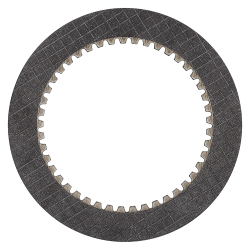


Application: JCB 3CX, 4CX, Telehandlers, Forklifts