-


-


-
 ALL CATEGORIES
-
-
-
-
-
-
SLEW SYSTEM
-
-
-
-
-
AXLES
- TIE RODS
- KIT SPIDER FOR DRIVE SHAFTS
- DIFFERENTIAL
- MOUNT THE KNUCKLE
- KIT SPIDER FOR AXLE SHAFTS
- HUB / GEAR REDUCTION
- PROPSHAFTS
- SOLENOID VALVES / COILS
- FLANGES / COUPLING YOKES
- BEARINGS
- BUSHES / WASHERS MOUNT AXLE
- AXLE / DIFFERENTIAL HOUSING
- DRIVESHAFTS / CENTER JOINTS
- BOLTS / NUTS / STRAPS
- LOCK / CIRCLIP / CLIP
- CROWN WHEEL AND PINIONS
- SEALS
- OTHERS
-
-
-
-
-
-
-
-
ENGINE
-
-
-
-
-
COILS / SOLENOID VALVES
-
SWIVELS / TURNING JOINTS
-
PUMPS / STEERING VALVES / MOTORS
-
-
-
VALVES
-
HYDRAULIC HOSES / PIPES
-
RAMS
-
ACCUMULATORS
-
QUICKHITCHES
-
-
-
BOLTS / NUTS / WASHERS
-
PUMP DRIVESHAFTS
-
SEALS VALVES / PUMPS
-
OTHERS
-
-
-
-
-
-
-
TIMING
-
EQUIPMENT
-
-
LUBRICATION SYSTEM
-
-
INDUCTION / EXHAUST SYSTEM
-
SEALS / GASKET SETS
-
ENGINE MOUNTING
-
SERVICE TOOLS
-
-
-
-
-
-
STABILIZERS
-
-
-
-
-
-
FUSES / FUSE BOXES
-
RELAYS / FLASHERS
-
REVERSE ALARM
-
-
HEATERS / BLOWERS
-
BATTERY ISOLATER SWITCH
-
-
-
-
-
OILS
-
FLUIDS
-
-
-
PAINTS
-
-
-
-
-
-
-
GLASS / CAB GLAZING
-
-
-
RUBBER SEALS - GLASS
-
ASSEMBLY KITS / ADHESIVES
-
-
-
-
-
ADAPTERS
-
BOLTS / LOCKS
-
-
-
-
HYDRAULIC INSTALLATIONS
-
TOEPLATES
-
TOOTH RIPPER
-
-
-
HYDRAULIC HAMMERS / TOOLS
-
PLOWS
-
QUICKHITCHES
-
FORKS
-
-
-
EARTH DRILL / AUGER
-
SWEEPER / COMPONENTS
-
SWINGOTILT / PLATFORMS
-
-
-
-
-
ACCESSORIES
-
DECAL / STICKERS
-
-
-
GADGETS
-
CLOTHES
-
FAN ZONE
-
-
-
 BODYWORK
 UNDERCARRIAGE
 TRANSMISSION / AXLES / WHEELS
 STEERING / CONTROL
 HYDRAULICS
 BRAKES
 ENGINE
 ARMS / SWING / STABILIZERS
 ELECTRICS
 OILS / FLUIDS / LUBRICANTS / PAINTS
 FILTERS
 GLASS / CAB GLAZING
 TEETH / ADAPTORS / PIN LOCKS
 ATTACHMENTS
 ACCESSORIES / TOOLS



Why is My Hydraulic Oil Foaming? Main Causes and Solutions
Why is My Hydraulic Oil Foaming? Main Causes and Solutions
More Than Just Bubbles
Do you open the hydraulic filler cap on your JCB excavator or CAT loader and, instead of clear, amber fluid, you see foamy, cloudy "coffee with milk"? That's a very bad sign. Foaming hydraulic oil loses its key properties – it doesn't lubricate, cool, or transmit power as it should. Ignoring this symptom is a direct path to seizing the hydraulic pump and a very expensive failure. This guide will explain the main causes of this phenomenon and show you how to diagnose them.
Main Suspect: Aeration
In over 90% of foaming oil cases, the culprit is aeration, which is the **intake of external air** into the hydraulic system. This almost always happens on the suction side of the pump, where the pressure is lower than atmospheric pressure. Instead of drawing in pure oil, the pump also "grabs" air bubbles, which are then violently mixed with the oil under immense pressure, creating foam.
Most common causes of aeration:
- Leaking suction hose: Even a microscopic crack in the hose or a loose clamp is enough for the pump to suck in air.
- Damaged pump shaft seal: A very common cause. The pump sucks in air around its own rotating shaft.
- Low oil level in the tank: When the oil level is minimal, the pump can create a vortex and suck in air from the surface.
- Cracked or leaking suction filter housing or worn seals on its connections.
Second Suspect: Cavitation
Although the symptoms are similar (loud operation, foamy oil), the cause of cavitation is different. It's not the intake of external air, but the "boiling" of the oil itself under extremely low pressure. We have discussed this phenomenon in detail in a separate article, but in short:
Cavitation vs. Aeration
Aeration = air bubbles get into the oil. Cavitation = vapor bubbles form from the oil itself. Both are deadly for the pump.
Most common causes of cavitation:
- Clogged suction filter or tank strainer: This is the number one cause. The pump cannot freely draw in oil, it "starves," and the vacuum causes the oil to boil.
- Hydraulic oil that is too thick: Especially dangerous in winter when cold oil is too viscous for the pump to draw in easily.
Consequences of Foaming Oil
Foaming oil is like empty calories for a hydraulic system – it has no value. It leads to:
- Loss of lubrication and rapid pump wear.
- System overheating, which destroys seals (e.g., in cylinders).
- "Spongy" and imprecise hydraulic operation, because air is compressible.
- Cavitation erosion, which literally rips metal from inside the pump.
Noticed foamy oil? Start with the basics!
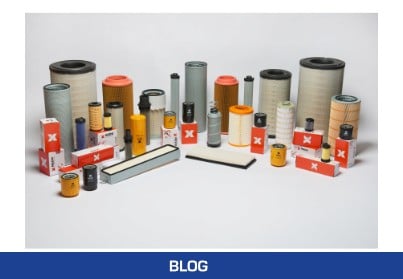
The problem is almost certainly on the pump's suction side. Start by checking the oil level and replacing the hydraulic filters – our offer includes a full range of high-quality REDX filters. Then, thoroughly check all connections on the thick suction hose for leaks. If the pump has already failed and contaminated the system, remember to protect the cylinders by using VICORTEX seal kits. Contact us, and we will help you with further diagnostics!
Related posts
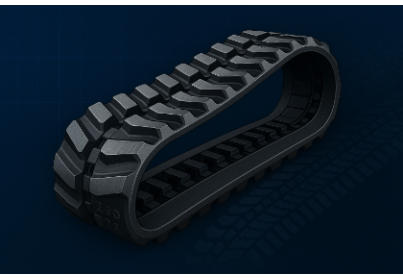 How to Correctly Measure and Read a Rubber Track Size? A Step-by-Step Guide.
Buying the wrong tracks is a costly mistake. Our simple, step-by-step guide will teach you how to independently...
Read more
 Rubber Tracks vs. Steel Tracks? A Guide to Choosing the Best for Your Machine
Choosing between rubber and steel tracks is a key decision that affects costs and work efficiency. Learn the key...
Read more
 Anatomy of a Tracked Undercarriage – Get to Know Rollers, Sprockets, Idlers, and Chains
If the engine is the heart of a machine, the undercarriage is its legs. Understanding its construction is key to...
Read more
 Adjusting Track Tension – The Key to a Long Undercarriage Life
A track that is too loose or too tight is a direct path to a costly failure. Our step-by-step guide will show you how...
Read more
 7 Operator Mistakes That Destroy a Tracked Undercarriage
The undercarriage can account for up to 50% of a machine's maintenance costs. Many of these are due to bad habits....
Read more
WE OFFER PRODUCTS OF THE BEST BRANDS



















SERWIS KOP Sp. z o.o. Sp.k.
ul. Podkarpacka 57A, 35-082 Rzeszów
NIP: 813-352-97-49 REGON: 180286726
Opening hours
Telephone support - Monday - Friday (8:00 AM – 5:00 PM)
Order pick-up - Monday - Friday (8:00 AM – 4:30 PM)
Email
[email protected]
[email protected]
Gadu-Gadu communicator
GG: 4185846 - Daniel
ul. Podkarpacka 57A, 35-082 Rzeszów
NIP: 813-352-97-49 REGON: 180286726
Opening hours
Telephone support - Monday - Friday (8:00 AM – 5:00 PM)
Order pick-up - Monday - Friday (8:00 AM – 4:30 PM)
[email protected]
[email protected]
Gadu-Gadu communicator
GG: 4185846 - Daniel
Phone
+48 17 864 31 00
+48 17 864 00 24
+48 17 864 25 96
Mobile phone
+48 607-700-547
+48 695-944-818
+48 691-330-531
+48 690-906-751
Fax
+48 17 864 31 20
+48 17 864 31 00
+48 17 864 00 24
+48 17 864 25 96
Mobile phone
+48 607-700-547
+48 695-944-818
+48 691-330-531
+48 690-906-751
Fax
+48 17 864 31 20