-


-


-
 ALL CATEGORIES
-
-
-
-
-
-
SLEW SYSTEM
-
-
-
-
-
AXLES
- TIE RODS
- KIT SPIDER FOR DRIVE SHAFTS
- DIFFERENTIAL
- MOUNT THE KNUCKLE
- KIT SPIDER FOR AXLE SHAFTS
- HUB / GEAR REDUCTION
- PROPSHAFTS
- SOLENOID VALVES / COILS
- FLANGES / COUPLING YOKES
- BEARINGS
- BUSHES / WASHERS MOUNT AXLE
- AXLE / DIFFERENTIAL HOUSING
- DRIVESHAFTS / CENTER JOINTS
- BOLTS / NUTS / STRAPS
- LOCK / CIRCLIP / CLIP
- CROWN WHEEL AND PINIONS
- SEALS
- OTHERS
-
-
-
-
-
-
-
-
ENGINE
-
-
-
-
-
COILS / SOLENOID VALVES
-
SWIVELS / TURNING JOINTS
-
PUMPS / STEERING VALVES / MOTORS
-
-
-
VALVES
-
HYDRAULIC HOSES / PIPES
-
RAMS
-
ACCUMULATORS
-
QUICKHITCHES
-
-
-
BOLTS / NUTS / WASHERS
-
PUMP DRIVESHAFTS
-
SEALS VALVES / PUMPS
-
OTHERS
-
-
-
-
-
-
-
TIMING
-
EQUIPMENT
-
-
LUBRICATION SYSTEM
-
-
INDUCTION / EXHAUST SYSTEM
-
SEALS / GASKET SETS
-
ENGINE MOUNTING
-
SERVICE TOOLS
-
-
-
-
-
-
STABILIZERS
-
-
-
-
-
-
FUSES / FUSE BOXES
-
RELAYS / FLASHERS
-
REVERSE ALARM
-
-
HEATERS / BLOWERS
-
BATTERY ISOLATER SWITCH
-
-
-
-
-
OILS
-
FLUIDS
-
-
-
PAINTS
-
-
-
-
-
-
-
GLASS / CAB GLAZING
-
-
-
RUBBER SEALS - GLASS
-
ASSEMBLY KITS / ADHESIVES
-
-
-
-
-
ADAPTERS
-
BOLTS / LOCKS
-
-
-
-
HYDRAULIC INSTALLATIONS
-
TOEPLATES
-
TOOTH RIPPER
-
-
-
HYDRAULIC HAMMERS / TOOLS
-
PLOWS
-
QUICKHITCHES
-
FORKS
-
-
-
EARTH DRILL / AUGER
-
SWEEPER / COMPONENTS
-
SWINGOTILT / PLATFORMS
-
-
-
-
-
ACCESSORIES
-
DECAL / STICKERS
-
-
-
GADGETS
-
CLOTHES
-
FAN ZONE
-
-
-
 BODYWORK
 UNDERCARRIAGE
 TRANSMISSION / AXLES / WHEELS
 STEERING / CONTROL
 HYDRAULICS
 BRAKES
 ENGINE
 ARMS / SWING / STABILIZERS
 ELECTRICS
 OILS / FLUIDS / LUBRICANTS / PAINTS
 FILTERS
 GLASS / CAB GLAZING
 TEETH / ADAPTORS / PIN LOCKS
 ATTACHMENTS
 ACCESSORIES / TOOLS



Awaria Zmiennika Momentu: Co Oznaczają Spalone Tarcze i Opiłki w Oleju?
Torque Converter Failure: What Do Burnt Plates and Metal Shavings in the Oil Mean?
When the Engine Spins but the Wheels Don't
Has your CAT wheel loader lost its pushing power? Or maybe your JCB 3CX backhoe struggles to move uphill, the engine revs high, but the machine barely moves? These are typical symptoms of a drivetrain problem, often originating from the torque converter. This key component connects the engine to the transmission, and its failure can immobilize the most powerful equipment. In this analysis, we'll explain how it works, what its failure symptoms are, and how to make an accurate diagnosis.
How Does a Torque Converter Work?
A torque converter is a device that transfers power from the engine to the transmission using oil. The engine's crankshaft drives an impeller, which accelerates the oil. This oil then strikes the blades of a turbine connected to the transmission, transferring power. The key component here is the stator, which directs the returning oil to assist the impeller's rotation, thereby multiplying torque at low speeds. This is what gives the machine its immense pushing power.
Advantages:
- Smooth starts and power transfer.
- Dampens vibrations and shocks.
- Ability to handle very high loads.
Disadvantages:
- Generates heat and requires efficient oil cooling.
- Loses efficiency with wear, starts to slip, and generates even more heat.
Failure Analysis: What Do Shavings and Burnt Plates Tell Us?
When the machine loses power, the first diagnostic step is to check the transmission oil.
Step 1: Check the Suction Screen and Drain Plug Magnet
After draining the transmission oil, remove the suction screen (usually at the bottom of the case). What you find on it is a goldmine of information:
- Dark, thick sludge and black particles: This is burnt residue from the friction plates in the Powershift transmission clutches. It means a clutch pack has been slipping.
- Magnetic shavings: These are steel particles. A small amount is normal wear. A large amount indicates worn bearings or gears inside the transmission.
- Non-magnetic shavings: Shiny, aluminum or brass-colored particles. This is an alarm bell! They come from worn bearings or aluminum blades inside the torque converter.
Diagnosis Based on Debris:
If you found non-magnetic shavings, the problem is almost certainly in the torque converter. If you found mostly magnetic shavings and friction material, the problem started in the transmission.
Further Diagnostics and Root Causes
The debris is just a symptom. To make the repair last, you must find the cause.
- Pressure Testing: Connecting gauges to the test ports on the transmission and converter allows a mechanic to check if the charge pump and control valves are maintaining proper pressure. A significant pressure drop at the converter confirms internal wear.
- Stall Test: Comparing the maximum engine RPM under load with factory data helps to assess the degree of converter slippage.
- Maintenance Neglect: The most common cause of failure is operating on old, contaminated oil and a clogged filter. Contaminants destroy precision seals and bearings, starting a chain reaction of destruction.
FAQ - Frequently Asked Questions
1. Can I just replace the converter if shavings are already in the system?
No. If shavings from the converter have entered circulation, they have contaminated the entire transmission, including its precision control valves and clutch packs. A full rebuild of both components and a flush of the oil cooler is necessary.
2. Why do I need to fill the converter with oil before installation?
To prevent it from running "dry" for even a few seconds after the first start-up. A moment of operation without lubrication can immediately damage the new bushings and bearings.
3. What is the "flex plate"?
It's a thin steel plate that connects the converter to the engine's flywheel. It acts as a safety fuse – in case of a sudden seizure of the converter or transmission, the plate will shear, protecting the engine's crankshaft from destruction.
Drivetrain failure? Diagnose it correctly before you repair!
Regularly changing the oil and filters, like those from the REDX brand, is the cheapest way to avoid failure. If a problem has already occurred, contact us. We can help you source factory-remanufactured torque converters, complete transmission rebuild kits, and all the necessary filters to make the repair effective and durable.
Related posts
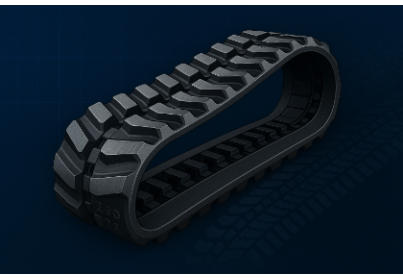 How to Correctly Measure and Read a Rubber Track Size? A Step-by-Step Guide.
Buying the wrong tracks is a costly mistake. Our simple, step-by-step guide will teach you how to independently...
Read more
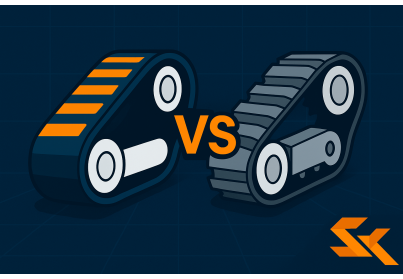 Rubber Tracks vs. Steel Tracks? A Guide to Choosing the Best for Your Machine
Choosing between rubber and steel tracks is a key decision that affects costs and work efficiency. Learn the key...
Read more
 Anatomy of a Tracked Undercarriage – Get to Know Rollers, Sprockets, Idlers, and Chains
If the engine is the heart of a machine, the undercarriage is its legs. Understanding its construction is key to...
Read more
 Adjusting Track Tension – The Key to a Long Undercarriage Life
A track that is too loose or too tight is a direct path to a costly failure. Our step-by-step guide will show you how...
Read more
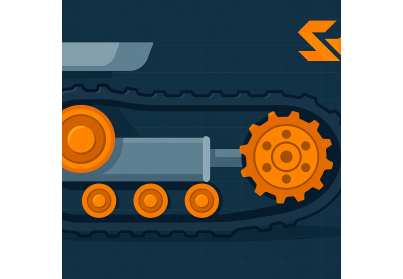 7 Operator Mistakes That Destroy a Tracked Undercarriage
The undercarriage can account for up to 50% of a machine's maintenance costs. Many of these are due to bad habits....
Read more
WE OFFER PRODUCTS OF THE BEST BRANDS



















SERWIS KOP Sp. z o.o. Sp.k.
ul. Podkarpacka 57A, 35-082 Rzeszów
NIP: 813-352-97-49 REGON: 180286726
Opening hours
Telephone support - Monday - Friday (8:00 AM – 5:00 PM)
Order pick-up - Monday - Friday (8:00 AM – 4:30 PM)
Email
[email protected]
[email protected]
Gadu-Gadu communicator
GG: 4185846 - Daniel
ul. Podkarpacka 57A, 35-082 Rzeszów
NIP: 813-352-97-49 REGON: 180286726
Opening hours
Telephone support - Monday - Friday (8:00 AM – 5:00 PM)
Order pick-up - Monday - Friday (8:00 AM – 4:30 PM)
[email protected]
[email protected]
Gadu-Gadu communicator
GG: 4185846 - Daniel
Phone
+48 17 864 31 00
+48 17 864 00 24
+48 17 864 25 96
Mobile phone
+48 607-700-547
+48 695-944-818
+48 691-330-531
+48 690-906-751
Fax
+48 17 864 31 20
+48 17 864 31 00
+48 17 864 00 24
+48 17 864 25 96
Mobile phone
+48 607-700-547
+48 695-944-818
+48 691-330-531
+48 690-906-751
Fax
+48 17 864 31 20