 BODYWORK
 UNDERCARRIAGE
 TRANSMISSION / AXLES / WHEELS
 STEERING / CONTROL
 HYDRAULICS
 BRAKES
 ENGINE
 ARMS / SWING / STABILIZERS
 ELECTRICS
 OILS / FLUIDS / LUBRICANTS / PAINTS
 FILTERS
 GLASS / CAB GLAZING
 TEETH / ADAPTORS / PIN LOCKS
 ATTACHMENTS
 ACCESSORIES / TOOLS




 ALL CATEGORIES
3CX
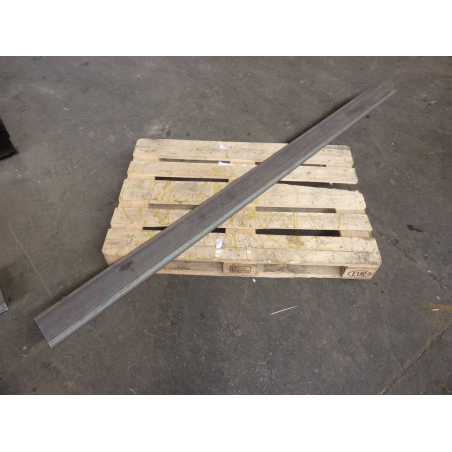
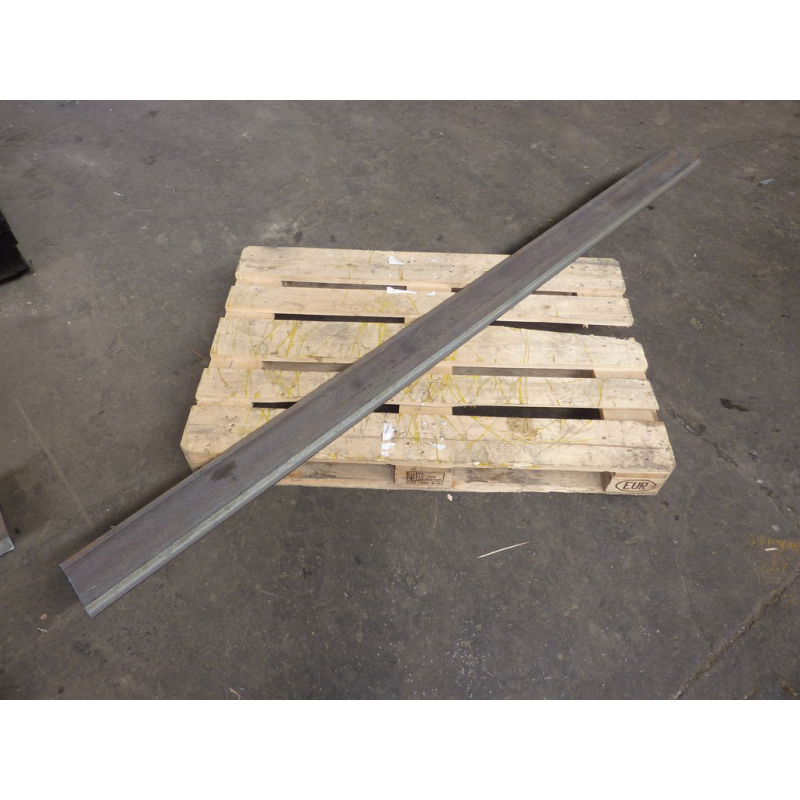
The cutting edge is the primary wear part of the bucket, making direct contact with the ground. Its job is to protect the front of the bucket from wear and to ensure efficient digging and grading. If your bucket is leaving material behind, is unable to grade a surface precisely, and its leading edge is rounded, cracked, or worn down to the bucket's shell, it's time for a replacement. Continuing to operate with a worn cutting edge leads to irreversible damage to the bucket structure, which results in a very costly repair.
💪
HB400 Abrasion Resistant Steel
Maximum wear resistance
🔪
Aggressive Cutting Edge
Better penetration, lower resistance
🎯
Perfect Fit
Easy and fast installation
The accuracy and quality of materials guarantee long and trouble-free use without the need for frequent replacement.
A new cutting edge is the cheapest way to protect the much more expensive bucket structure from irreversible wear.
A sharp cutting edge restores the machine's factory performance, reducing work time and fuel consumption.
Welding abrasion-resistant steel requires extensive knowledge and the right materials. Always entrust this work to a qualified welder.
Before welding, the old bucket edge must be cut off, and the new surface thoroughly cleaned and beveled to ensure deep penetration.
Special low-hydrogen electrodes or welding wire must be used for welding HB400 steel to avoid cracks in the weld.
When replacing the cutting edge, inspect the condition of the teeth and side cutters. Replacing the entire bucket GET ensures maximum performance.
Answer: Yes. A worn, "rounded" cutting edge is unable to grade a surface precisely. A new, sharp edge completely solves this problem.
Question: Can I hardface my old, worn cutting edge?Answer: It is a short-term and inefficient solution. Hardfacing will not restore the original hardness or profile, and the new layer will wear off quickly. Replacing it with a new HB400 steel edge is much more durable.
Question: What is HB400 steel?Answer: It is a high-quality, abrasion-resistant steel with a Brinell hardness of 400, commonly used in the production of earthmoving equipment. It is significantly more wear-resistant than standard structural steel.

If you are unsure whether the selected product is suitable for your machine, contact us and we will help you choose the right part and provide practical advice in minutes.

Data sheet
Specific References
Manufacturer
Responsible person
See also similar products
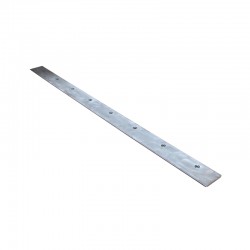
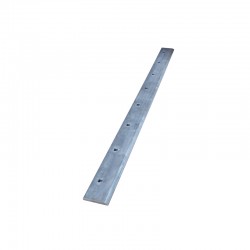
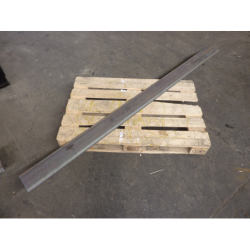
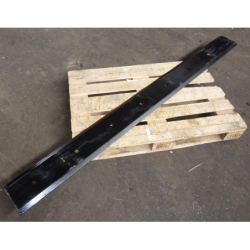
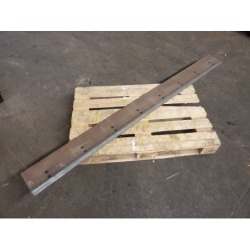


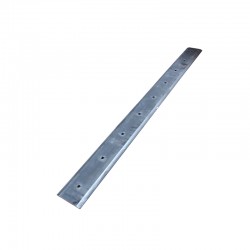
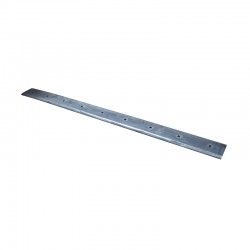

Welded-in front bucket plow blade suitable for JCB 3CX backhoe loaders.